


Home demolition can be an exciting part of your building journey or the start of a new project. There are many aspects to consider before starting the physical removal part of the job. Preparation and management of your work site are essential to completing the work safely and include obtaining permits and implementing temporary fencing.
In this article, we cover what you need to do when undertaking high-risk construction work and how to ensure the home demolition process runs smoothly.
What are the risks of demolition work?
Demolition work involves the removal or dismantling of a structure or its load-bearing parts, thereby contributing to the building’s physical integrity.
As such, it’s considered high-risk construction work because of the inherent hazards. These include unplanned structural collapse, falls from height, falling objects, and disturbance of asbestos. These risks can be hazardous to both workers and the public.
Managing these risks requires identifying potential hazards, assessing their likelihood and severity, and implementing effective control measures.
Proper planning and safety precautions, including the use of protective barriers such as temporary fencing, are essential to minimise these risks and ensure safer demolition work.

9 tips for ensuring successful demolition work
A demolition plan includes timelines, safety, and resource allocations. The standard for demolition in Australia is AS 2601-2001: The demolition of structures. It is a framework used by many construction professionals to plan and execute demolition projects.
The demolition plan is also subject to workplace health and safety laws, which must be complied with.
Ensure the following steps are completed for a successful home demolition:
1. Choose the right demolition contractor
When planning demolition work, hiring a qualified demolition contractor is key to ensuring safety and compliance. A licensed contractor will prepare a safe work method statement (SWMS) and ensure the project meets all necessary construction requirements.
High-risk tasks such as demolition work involving explosives or asbestos removal require specific skills and licences. To avoid safety hazards, make sure the contractor is fully licensed and trained. Understanding these requirements can help streamline the demolition process and ensure work is carried out safely.
2. Applying for permits and approval
For demolition work, you need to obtain a demolition permit and, if possible, submit supporting documentation. Contact your local council to apply for a BA05 – Application for demolition permit, which is the appropriate type.
Supporting documents include:
- A site plan
- Proof of service disconnections
- Evidence of pest control.
These steps are part of the government regulations and standards that you must follow for home demolition.
For this process, it is essential to plan, as permits may take weeks to be approved. Permits require a licensed contractor to complete the forms, which may incur additional costs.
3. Temporary fencing for home demolition
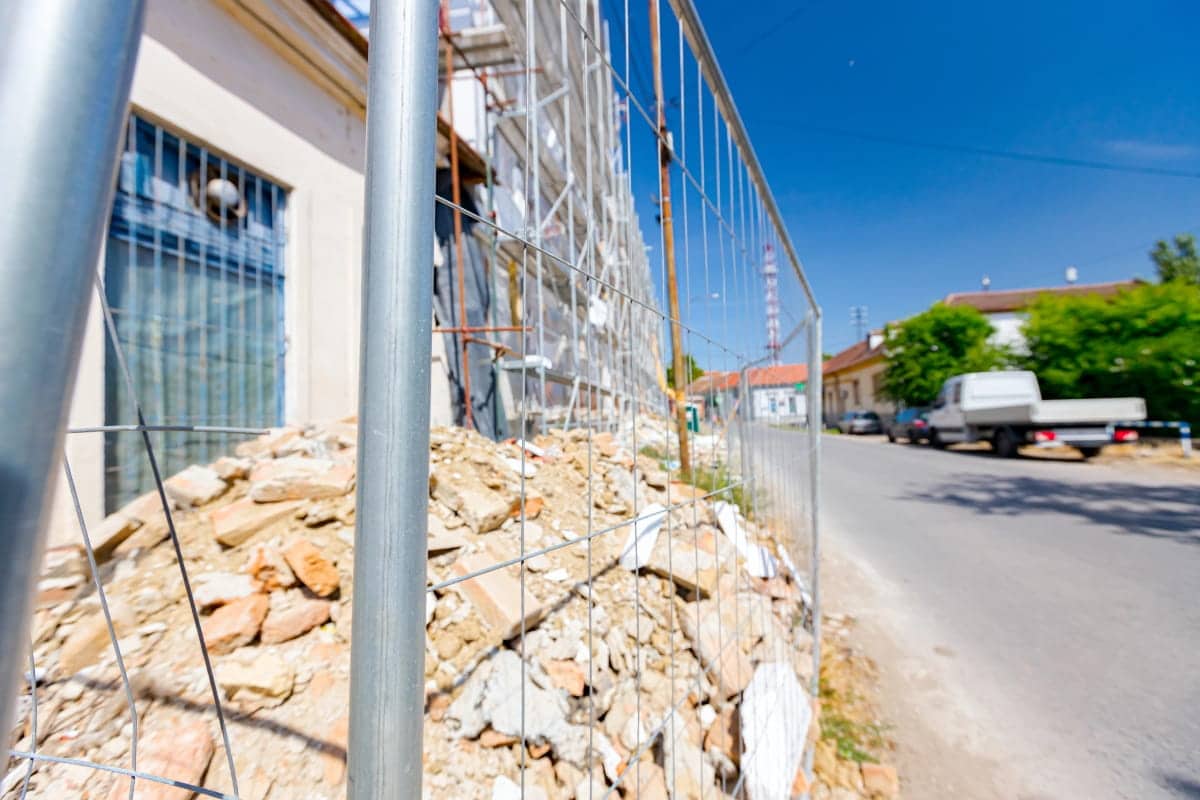
When planning a home demolition, temporary fencing is one of the first safety measures you need to get right. Demolition sites must take measures to protect pedestrians, neighbouring properties, and anyone working on the site.
- Typically standing at 1.8 metres, these galvanised steel panels are securely clamped together and designed to deter climbing.
- Stability is achieved through concrete-filled temporary fence feet or heavy bases, and stays reduce movement from wind or impact, creating a safer site boundary.
- Shade cloth is often added to suppress dust and improve privacy.
Understanding how temporary fencing supports safety and site security is a key part of responsible home demolition planning.

4. Notice to neighbours and the surrounding areas
Keeping open communication is a great way to start the home demolition process. If you are demolishing and rebuilding, it is recommended to keep neighbours and anyone in the surrounding area informed. This is to prevent confrontation or conflict and to warn neighbours of any noise or the discovery of hazardous materials, including asbestos.
Your neighbours have the right to know what types of construction are occurring, especially if it is high-risk construction work, such as asbestos removal. It is your responsibility to address their concerns or questions. With the assistance of professionals, you will have the knowledge and information to minimise any risks to your neighbours.

5. Disconnecting utilities
Before starting a home demolition, it is vital to disconnect the power supply from your home. This includes water, gas, electricity and any telecommunication poles.
This is a safety requirement for most demolition work and helps eliminate hazards such as live wires, burst pipes, or electrocution. It is essential to keep contractors, equipment, and other buildings safe throughout the home demolition process.
6. Have a plan to protect your trees, gardens, and paving
Before starting a home demolition, it’s important to plan how to protect your garden, trees, and paving. Identify plants, trees, or paving that you may want to save or repurpose during the pre-demolition phase. Any tree removal or alterations will require a permit from your local council, so be sure to factor in time for approval.
Installing temporary fencing as a tree protection zone can help preserve valuable plants and keep construction activities away from sensitive areas, ensuring they remain undamaged throughout the demolition process.

7. Ensure safe removal of hazardous materials or asbestos
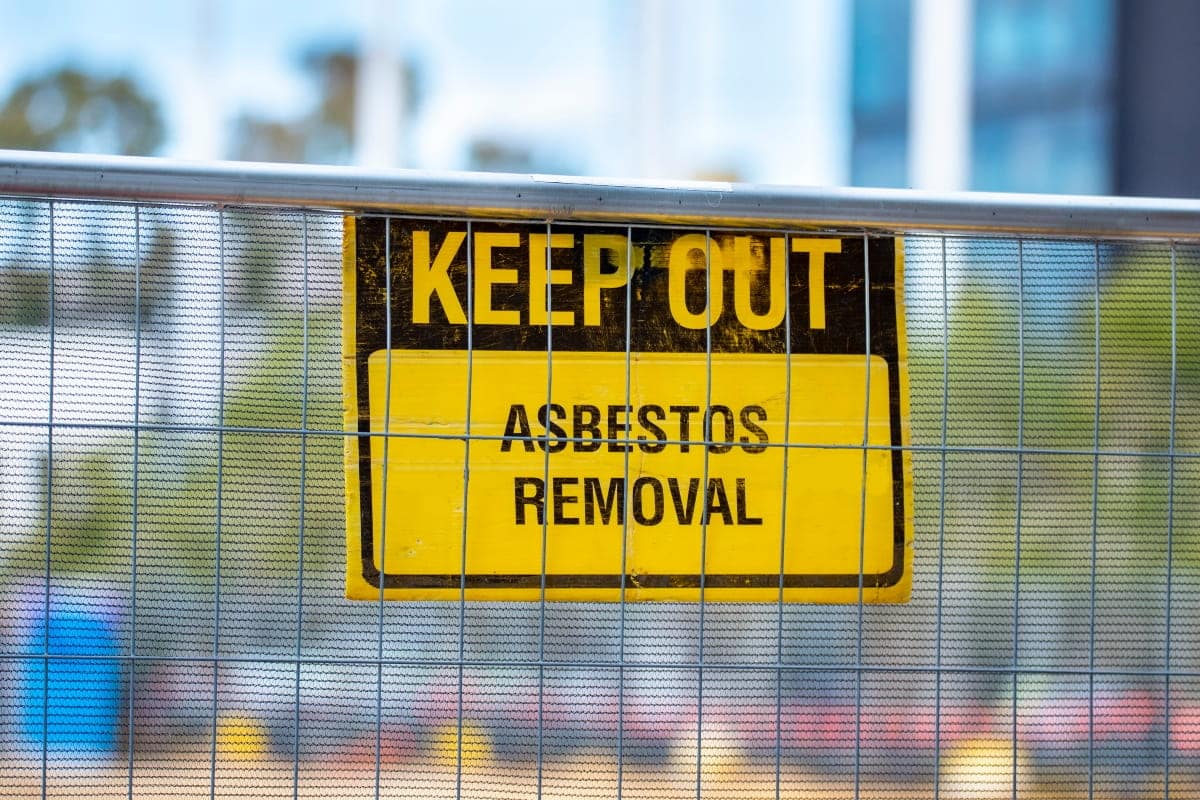
Any hazardous waste and asbestos must be removed from the property before demolition begins. An asbestos inspection is required before demolition to determine whether any asbestos or other hazardous materials are present on the property.
If asbestos is found, it must be legally removed by a licensed asbestos specialist. Complying with government standards is essential for high-risk construction work.
8. Have a plan for handling waste and rubbish
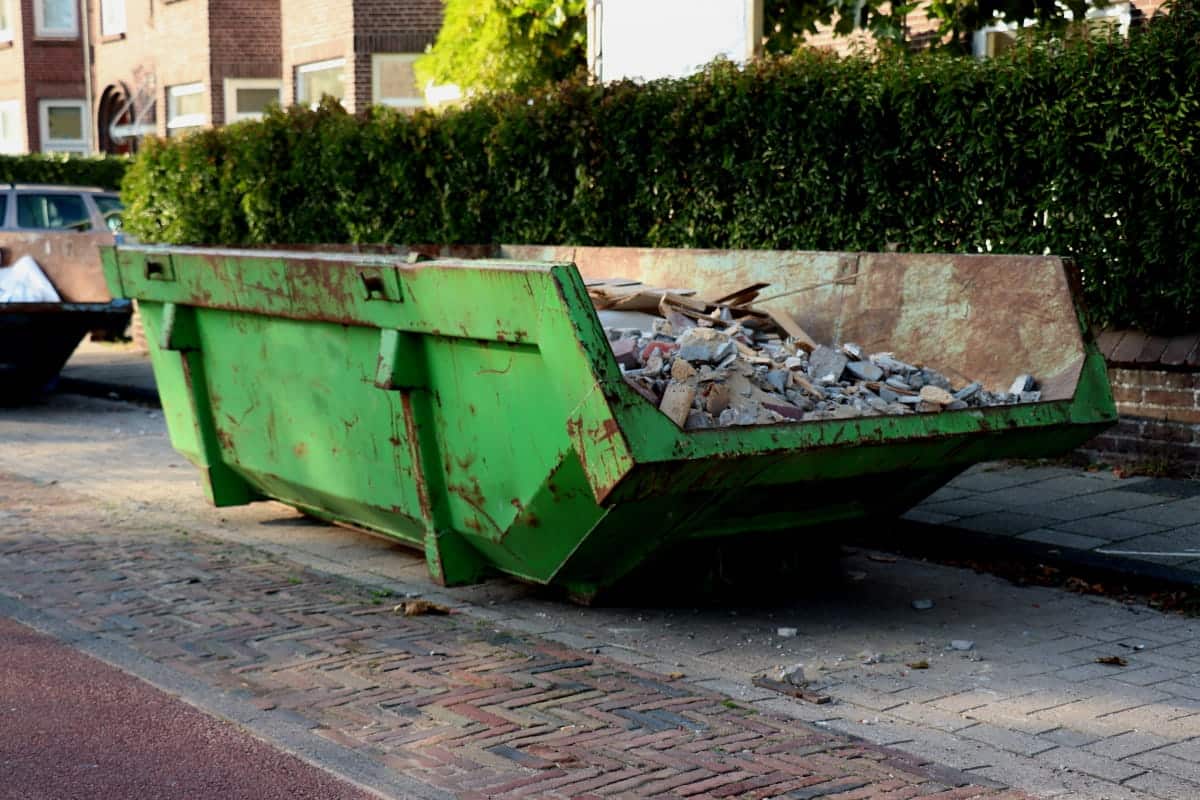
Home demolition construction waste can be managed in multiple ways. Your demolition contractor can advise you on recycling, salvaging, and selling materials from the project, although some may end up in a landfill.
Look for eco-friendly practices to manage waste. Materials that can be recycled include concrete, bricks, metals and carpet. Experienced operators should have waste management plans in place and develop strategies to minimise environmental impact.
9. Work safety
Ensure all site workers wear PPE gear and have adequate training. This is a requirement from the Australian government and prioritises workers’ health.
Any demolition or development project requires a Safe Work Method Statement (SWMS). This document outlines high-risk construction work. This document is a plan that helps all workers understand work-site safety hazards and control measures.
Considering demolishing your home?
Home demolition can be overwhelming, but it doesn’t have to be with the right help and guidance. Involvement of licensed contractors and professionals can lead the way.
TTFS offers a range of temporary fencing, construction safety equipment and site accessories, and delivers Australia-wide.
With depots in Melbourne, Sydney, Brisbane, Perth and Adelaide, you can rely on TTFS for exceptional service and fast delivery.
If you have a question or need a fast quote, contact our team today at 1300 119 998.
FAQs
-
How much does home demolition cost?
The cost of home demolition depends on several factors, including the property’s size, layout, and structural condition. It is vital to get quotes from different companies, as each has its own pricing and demolition management preferences.
-
How much temporary fencing will be required?
Depending on your project and property size, the amount of temporary fencing required will vary. TTFS offers temporary fencing packages in various sizes to suit your project, including 100m, 200m, and 300m packs.
-
Why do you need to remove asbestos in a home demolition?
Asbestos is one of the most hazardous materials found on construction sites in Australia. It is a health risk if it is not removed safely by a licensed professional.