


Asbestos is one of the most significant health and safety risks found on Australian building sites, especially in older homes and commercial structures. Only licensed professionals know how to remove asbestos safely. However, for builders, contractors, and construction teams, safe asbestos removal is essential before any renovation, demolition, or refurbishment work begins.
Your responsibility is to identify the risk early, secure the site, and ensure the public is protected. Temporary fencing is a key part of this process. It helps create safe boundaries, restricts access, and supports a controlled environment where licensed removalists can work safely and efficiently.
This guide explains what asbestos is, where it is commonly found, why you must never attempt removal yourself, how licensed experts carry out the process, and why secure boundaries are critical for safety.

What is asbestos?
Asbestos is a naturally occurring mineral once valued in construction for its fire resistance, insulation, and durability. It was widely used in Australia until the late 1980s. When intact, it poses little danger, but when damaged or disturbed, it can release microscopic fibres into the air. Asbestos fibres are easily inhaled and can lead to serious health conditions such as mesothelioma, lung cancer, and asbestosis.
Common asbestos-containing materials in buildings include:
- Roof sheets and eaves
- Wall linings and fibro cladding
- Vinyl flooring and old tiles
- Fencing made from asbestos cement
- Lagging around pipes and boilers
- Ceiling panels and insulation in older commercial buildings
If your project involves any building or home built before 1990, asbestos should be a key consideration during the planning stage.
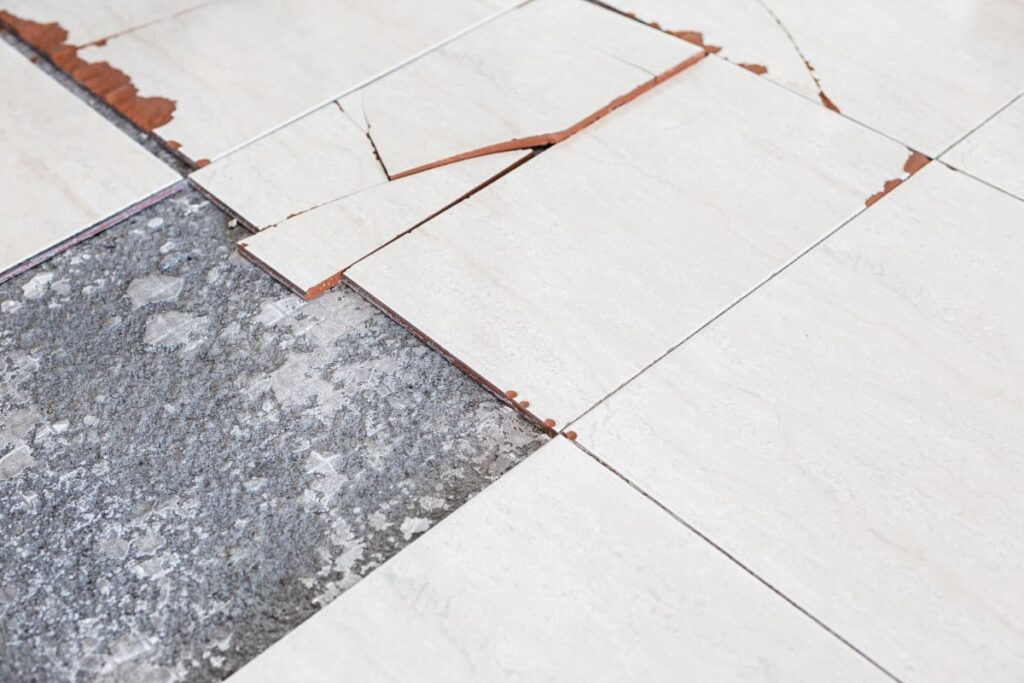
Asbestos is commonly found in Australian construction
Asbestos materials remain widespread across older residential and commercial sites, particularly in WA, NSW, and QLD. Asbestos containing materials can appear in almost any area of a building, including:
- Bathrooms and laundries
- Wet areas and splashbacks
- External cladding
- Sheds and garages
- Partition walls
- Carports and verandah ceilings
Because it is often hidden beneath other building materials, asbestos can be disturbed unintentionally during demolition or strip-out works. This is why early inspection and asbestos removal work is so important.
Why you should never remove asbestos yourself
If you are wondering how to remove asbestos, the first and most important rule is that you should not attempt it yourself. Australian law is clear. Only licensed asbestos removalist companies are permitted to remove friable asbestos and non-friable asbestos over 10 square metres.
Attempting removal without the correct licence can lead to:
- Heavy fines
- Site shutdowns
- Serious health and safety risks for workers and the public
- Contamination requiring costly remediation
Safe Work Australia and state WHS regulators outline strict requirements for handling, removal, transport, and disposal. Professional removalists use specialised equipment and follow detailed safety controls to ensure asbestos fibres do not escape the work zone.

What to do if you suspect asbestos on site
If you discover what you believe could be asbestos, or if your team uncovers suspicious material mid-project, take immediate steps to protect workers and the public.
- Stop work right away to prevent disturbance.
- Notify the site supervisor or principal contractor.
- Establish an exclusion zone with temporary fencing or barriers.
- Engage a licensed asbestos removalist to test the material.
- Record and document the location for WHS compliance.
Stopping early protects your team and prevents contaminants from spreading through the site.

Establish safe boundaries with temporary fencing
Temporary fencing is essential when asbestos is suspected or confirmed. It helps you maintain control over the site and restricts access until a licensed asbestos removalist can assess the material.
Installing temporary fencing allows construction teams to:
- Create exclusion zones that keep workers and the public safe
- Maintain compliance with WHS site isolation requirements
- Display warning signage clearly and at all access points
- Support controlled environments during removal works
For larger projects, temporary fencing can also help manage multiple work zones and ensure safe pathways for pedestrians and machinery.
Carrying out licensed asbestos removal work
Although builders and property owners cannot remove asbestos themselves, understanding the process helps teams plan and maintain a safe, compliant site.
1. Site assessment and planning
Licensed asbestos professionals start by inspecting and testing the material. If asbestos is confirmed, they develop an asbestos removal control plan that outlines how the work will be carried out, along with the safety measures and equipment required.
Exclusion zones are established, often using temporary fencing, hoarding or crowd control barriers to separate the public and workforce from the removal area.
2. Establishing controlled work zones
Before removal begins, the team prepares the site by:
- Setting up barricades and warning signs
- Installing containment materials such as plastic sheeting
- Using negative-pressure units for indoor works
- Ensuring all workers are equipped with personal protective equipment (PPE)
- Creating decontamination areas
These measures minimise the spread of asbestos fibres and keep the site compliant with WHS regulations.
3. Safe removal and disposal
Asbestos is removed while kept damp to reduce asbestos dust. Sheets are taken out whole wherever possible rather than broken up. All asbestos waste is sealed in approved, labelled bags or containers, then transported to a licensed disposal facility.
Once the removal is complete, an independent clearance inspection is carried out. The area cannot be reopened until it passes an air monitoring and visual clearance test.
Why construction teams must act before work begins
Asbestos can halt a project instantly if discovered too late. By identifying risks during the planning phase, you:
- Avoid costly delays and site shutdowns
- Protect workers, neighbours, and the wider community
- Reduce legal and financial liabilities
- Keep demolition, renovation, or refurbishment works on schedule
Safety begins long before tools hit the wall. A proactive approach helps keep every project running smoothly.

How temporary fencing supports safer asbestos projects
Temporary fencing is one of the most effective ways to control asbestos risk on site. It helps construction teams:
- Enforce no-entry zones
- Support traffic management plans
- Keep the public clear of contaminated areas
- Provide a stable surface for barrier signage and safety information
- Maintain compliance from first inspection through to clearance testing
With strong, secure boundaries, asbestos removal companies can work safely and efficiently while the rest of the site remains protected.
Temporary fencing to secure your site
Asbestos is a serious hazard, but with early identification, proper containment, and support from licensed removal specialists, you can keep your team and the public safe. Temporary fencing plays a major role in establishing secure boundaries, isolating work zones, and maintaining compliance throughout the asbestos removal process.
If you need high-quality temporary fencing for asbestos control, site security, or large-scale construction work, TTFS can help you create a safe and compliant site from day one.
FAQs
-
Can I remove asbestos as a homeowner?
You should hire a licensed professional to remove any asbestos from your property. The only case in which you are legally able to remove asbestos is if the area is under 10 m2 and the asbestos is classified as non-friable. Even a small portion of asbestos removal requires appropriate personal protective equipment. It is illegal to remove large amounts of asbestos materials from your property; only a licensed removalist can remove asbestos.
-
How much does asbestos removal cost?
Asbestos removal is usually measured by square metres and can cost between $30 and $150 per square metre. The location, condition and amount of asbestos can alter the cost of quotes from professionals completing these types of building jobs. It is also worth noting that some asbestos companies have a minimum project spend of up to $2000. Therefore, it is recommended to obtain quotes and advice from multiple professionals before starting asbestos removal.
-
When can I reenter my home after asbestos removal?
The time frame to re-enter your home is typically between 48 and 72 hours after the appropriate removal procedure is completed. This process involves extensive cleaning and testing after the initial removal is completed to ensure air quality is safe for the public. A clearance certification from a licensed assessor is required to confirm that the areas of removal are safe and free of contamination.