
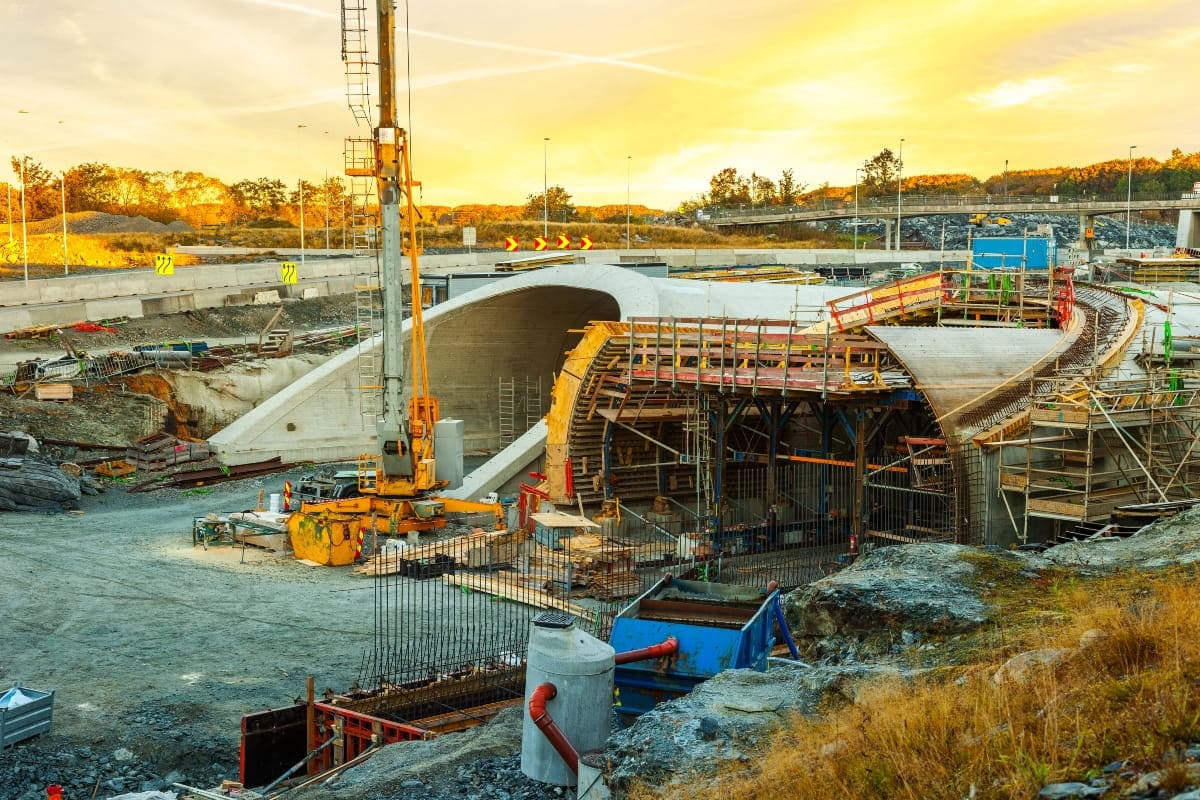

Tunnelling is one of the most technically demanding types of construction work. It involves excavating underground passages through soil or rock, often in unpredictable conditions where risks can escalate quickly.
From metro rail projects in busy urban areas to hydropower tunnels that divert water underground, tunnelling plays a major role in modern infrastructure. But these projects also come with serious safety challenges.
In this article, we’ll look at seven common tunnelling hazards, why they matter, and the practical controls that can help keep your team, site and project safer.
Why tunnel construction needs careful planning
Tunnel construction projects need detailed planning from the earliest stages. Every part of the tunnelling process, from excavation and ground support to ventilation, access control and final tunnel lining, must be managed with safety and compliance in mind.
Environmental factors such as soil type, rock conditions, groundwater and site access can all affect how risks are managed.
This may include temporary fencing and barriers to separate pedestrians, workers, and vehicles and restricted work areas around tunnel entries, compounds and construction zones.
WHS risks in tunnel construction
Under Australia’s model WHS Regulations, tunnelling is classed as high-risk construction work. This means a person conducting a business or undertaking (PCBU) must eliminate or minimise risks so far as is reasonably practicable.
These risks are not minor. More than 10 per cent of Australian tunnellers exceed respirable crystalline silica limits, and incidents like the West Gate Tunnel partial collapse in June 2023 show how tunnel stability issues can stop work and put lives at risk.
1. Tunnel stability risks: rock falls and collapses
Tunnel stability is one of the most important safety factors in tunnelling work. If the ground is not properly supported, workers can be exposed to rockfalls, collapses, and, in some cases, rock bursts.
These events can happen quickly and with little warning. The risk increases when:
- Ground support is delayed
- Shotcrete is too thin or poorly applied
- Tunnel lining installation is delayed
- Rock becomes overstressed
- Ground conditions change during tunnel excavation
Common tunnel support controls
Immediate ground support is essential. Depending on the site conditions, this may include:
- Rock bolts
- Fibre-reinforced shotcrete
- Steel ribs
- Steel arches
- Tunnel face support
- Roof and wall stabilisation
These controls help stabilise the tunnel face, roof and tunnel walls while excavation work continues.
Managing surface exclusion zones
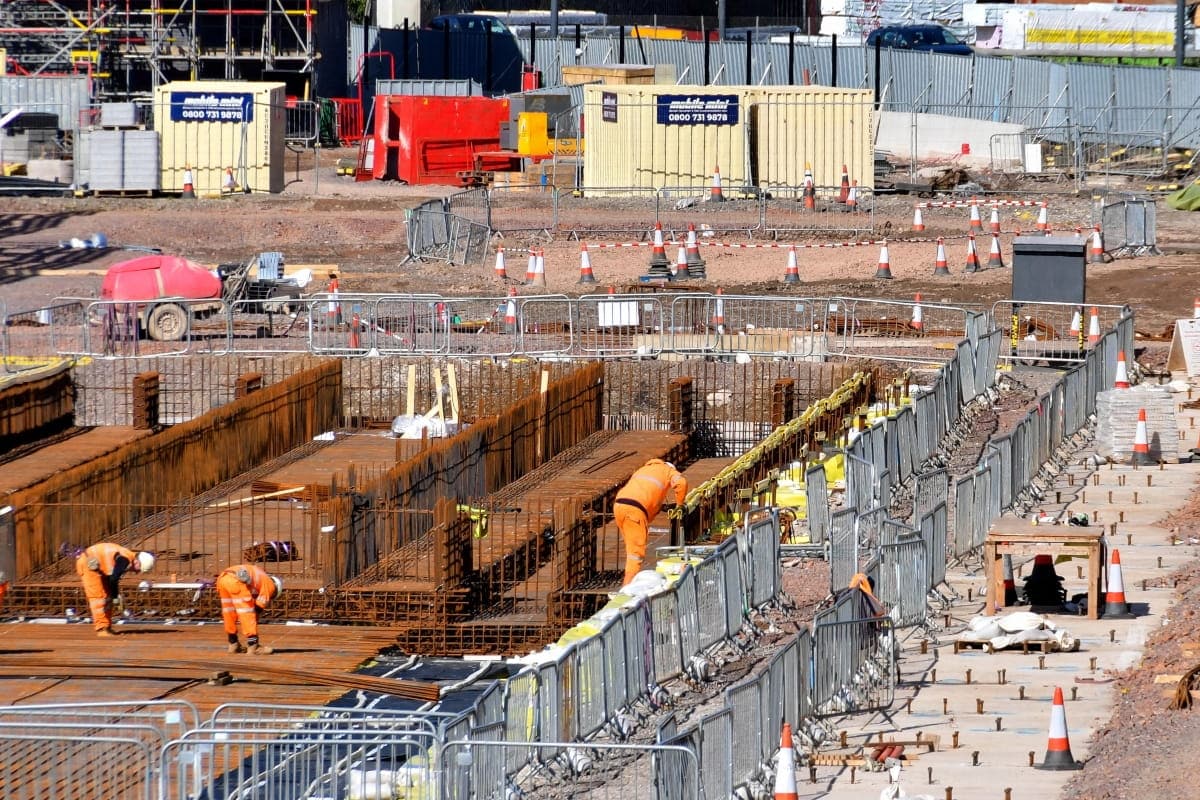
Tunnel stability risks extend beyond underground areas. Portals, access points and nearby surface work zones also need to be controlled.
A temporary fence can be used around tunnel portals and exclusion zones to help keep unauthorised workers, visitors and pedestrians away from high-risk areas. This supports safer site access and helps separate people from unstable ground, moving plant and restricted work zones.
2. Changing ground conditions
Ground conditions can change quickly during tunnelling work. What looks stable in one section may become unstable a few metres later.
Groundwater is one of the biggest challenges in tunnelling. Water pressure from underground sources can affect excavation methods, weaken the surrounding ground and increase the risk of flooding.
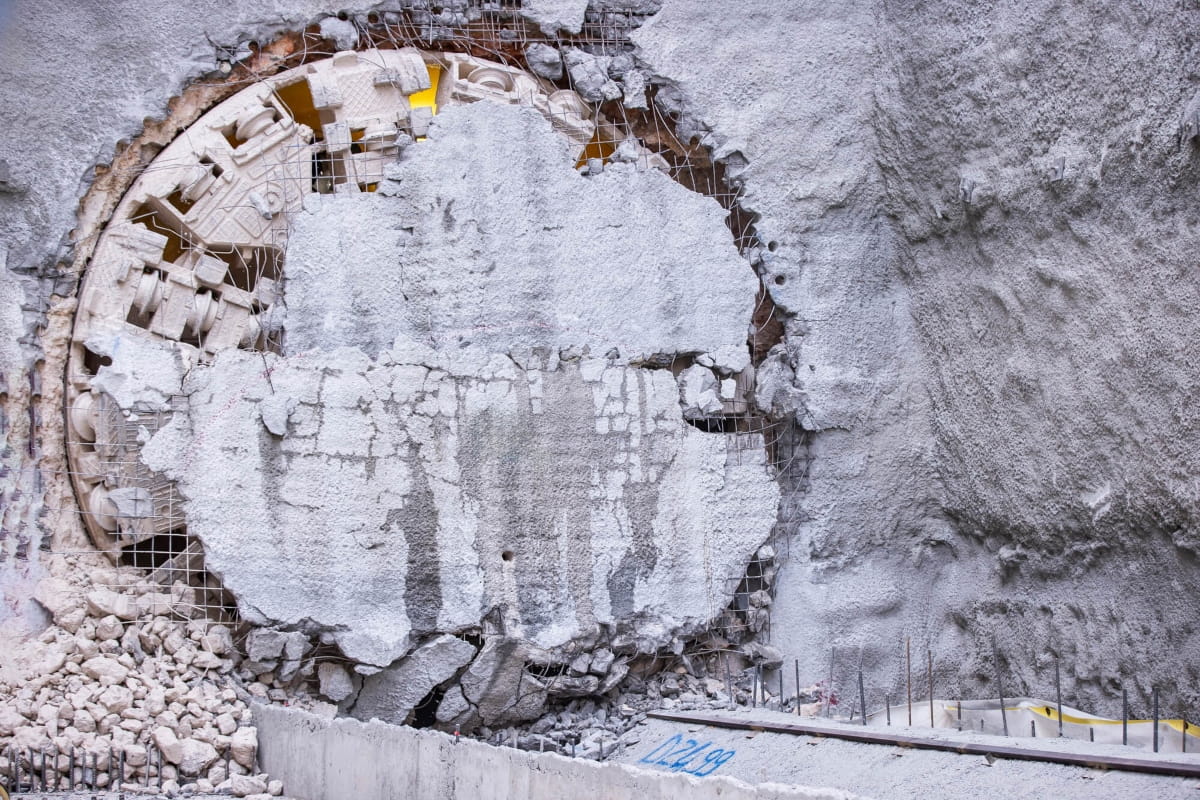
If the tunnel alignment intersects with underground water sources, work can stop quickly. Flooding can damage equipment, delay the excavation process and put workers at serious risk.
Common issues include:
- Sudden water inflows
- Soft or loose ground
- Fault zones
- Changes in rock or soil strength
- Increased pressure around the tunnel face
- Flooding below the water table
Safety measures for unstable or wet ground
Several controls can help manage changing ground conditions, including:
- Probe drilling before excavation continues
- Grouting to stabilise loose or water-bearing ground
- Ground treatment plans for weak zones
- Dewatering systems
- Real-time monitoring of water pressure and ground movement
- Tunnel boring machines operating in earth-pressure balance mode
Earth-pressure balance tunnel boring machines can help maintain pressure in front of the cutter head. This is especially useful when tunnelling below the water table.
3. Limited space and confined access
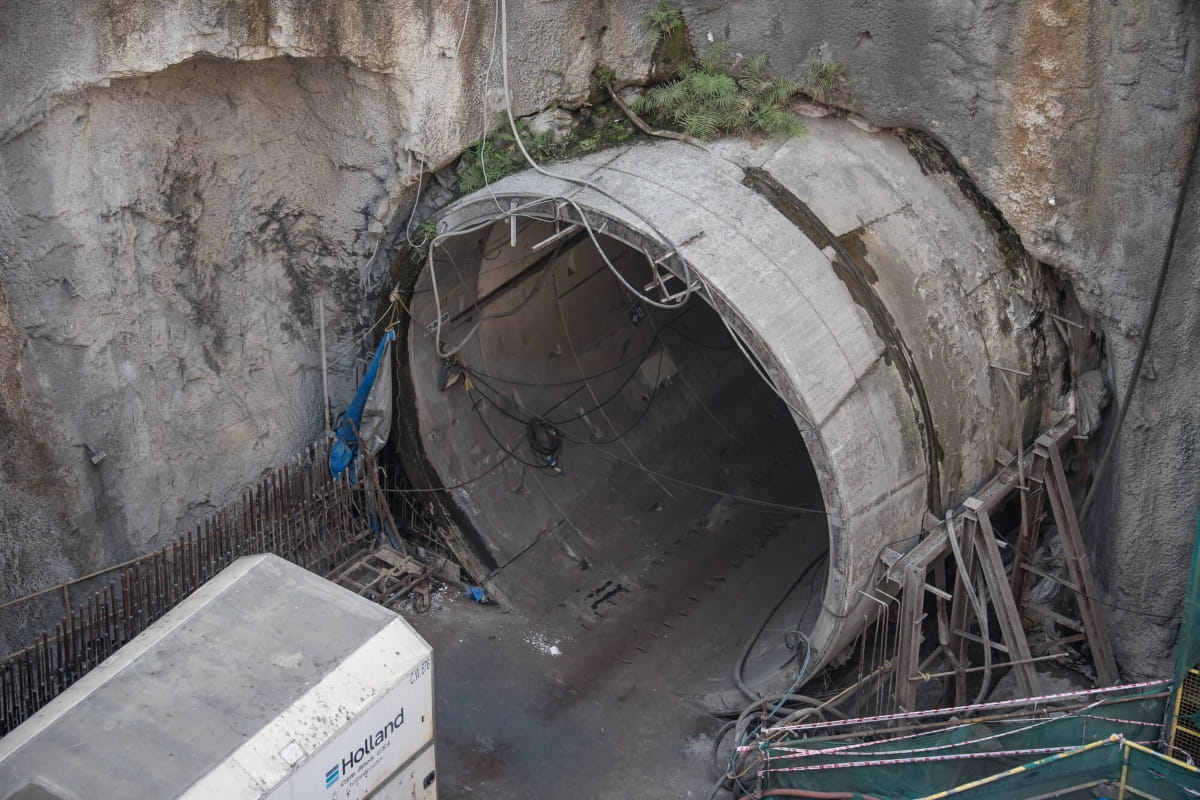
Tunnels are confined by nature. Workers often have limited room to move, reduced visibility and fewer escape options.
In an emergency, this can make evacuation difficult. When there is only one way in and one way out, clear access planning becomes critical.
Key risks in confined tunnel areas
Limited space can increase the risk of:
- Workers being struck by mobile plant
- Delays during emergency evacuation
- Poor visibility between workers, vehicles and equipment
- Restricted access for rescue teams
- Trips, falls and crush injuries
- Exposure to dust, fumes or hazardous substances
Because of these risks, tunnel access must be carefully planned before work begins.
Safety controls for restricted access
Comprehensive safety measures are needed to protect workers in confined tunnel environments. These may include:
- Helmets
- High-visibility clothing
- Respiratory protection
- Clear emergency signage
- Marked walkways
- Controlled vehicle routes
- Communication systems
- Emergency response procedures
A construction traffic management plan should also be used to control how workers, vehicles and mobile plant move through the tunnel and surrounding work areas.
4. Air contamination and oxygen depletion
Air quality can change quickly in underground tunnelling environments. Without the right controls, workers may be exposed to contaminated air or low oxygen levels.
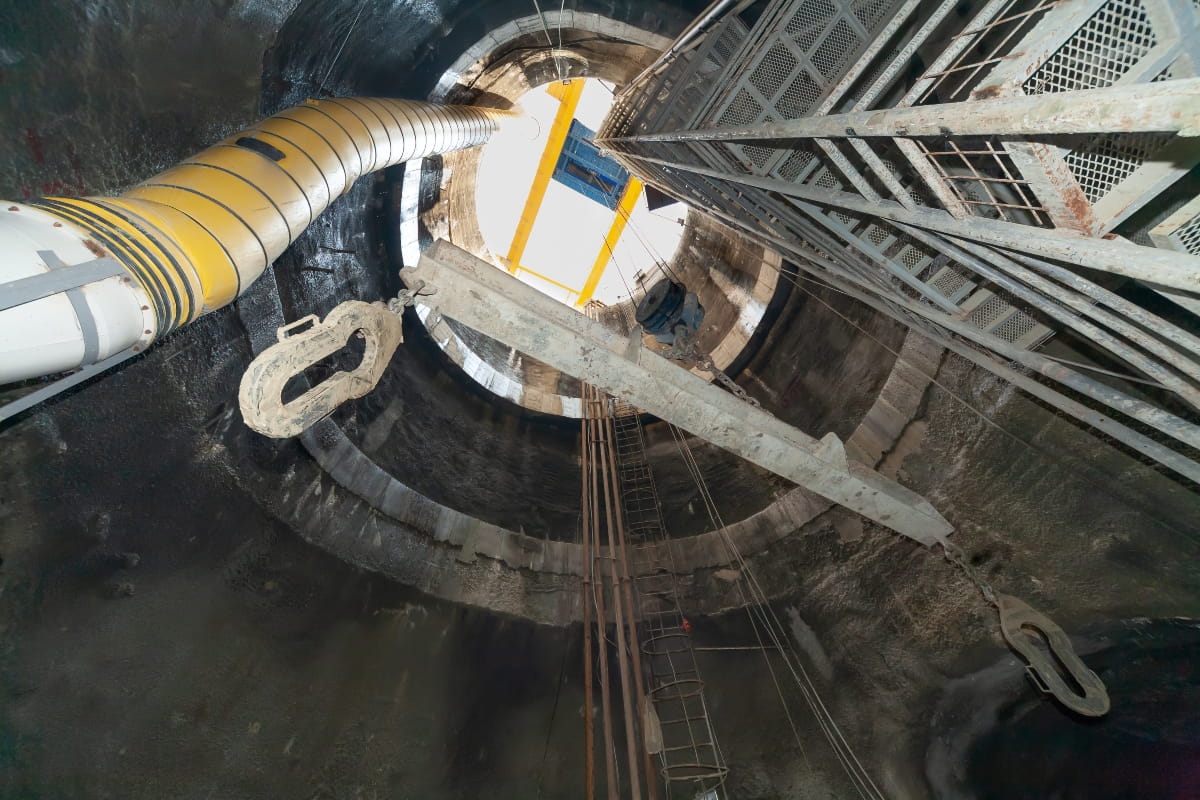
This can create serious health and safety risks, especially in enclosed or poorly ventilated areas. Mechanical ventilation helps move fresh air through the tunnel and remove contaminated air from the work area.
Common air quality hazards
Several hazards can affect underground air quality, including:
- Diesel particulate matter from mobile plant
- Blast fumes containing nitrogen oxides and carbon monoxide
- Methane pockets
- Toxic gases
- Silica dust
- Oxygen depletion in poorly ventilated spaces
These risks can build up quickly, which is why regular monitoring and strong safety systems are essential.
Controlling dust and airborne contaminants
Silica dust is a major concern in tunnelling work. Wet-cutting and mist-cannon dust suppression can help reduce airborne dust during excavation, cutting and drilling.
Using personal protective equipment
Personal protective equipment (PPE) is also important when air contamination risks cannot be fully removed. In high-dust environments, workers may need respiratory protective equipment.
5. Fire and explosion risks
Fire and explosion risks in tunnelling can come from several sources. These include fuel spills, battery fires, blasting gases and damaged electrical cables.
In confined spaces with limited ventilation, even a small fire can become serious within minutes. Smoke, heat and toxic gases can spread quickly, making evacuation harder and increasing the risk to workers.
Common causes of fires and explosions
Fire and explosion hazards may be caused by:
- Fuel or chemical spills
- Battery fires from electric plant or equipment
- Blasting gases
- Damaged electrical cables
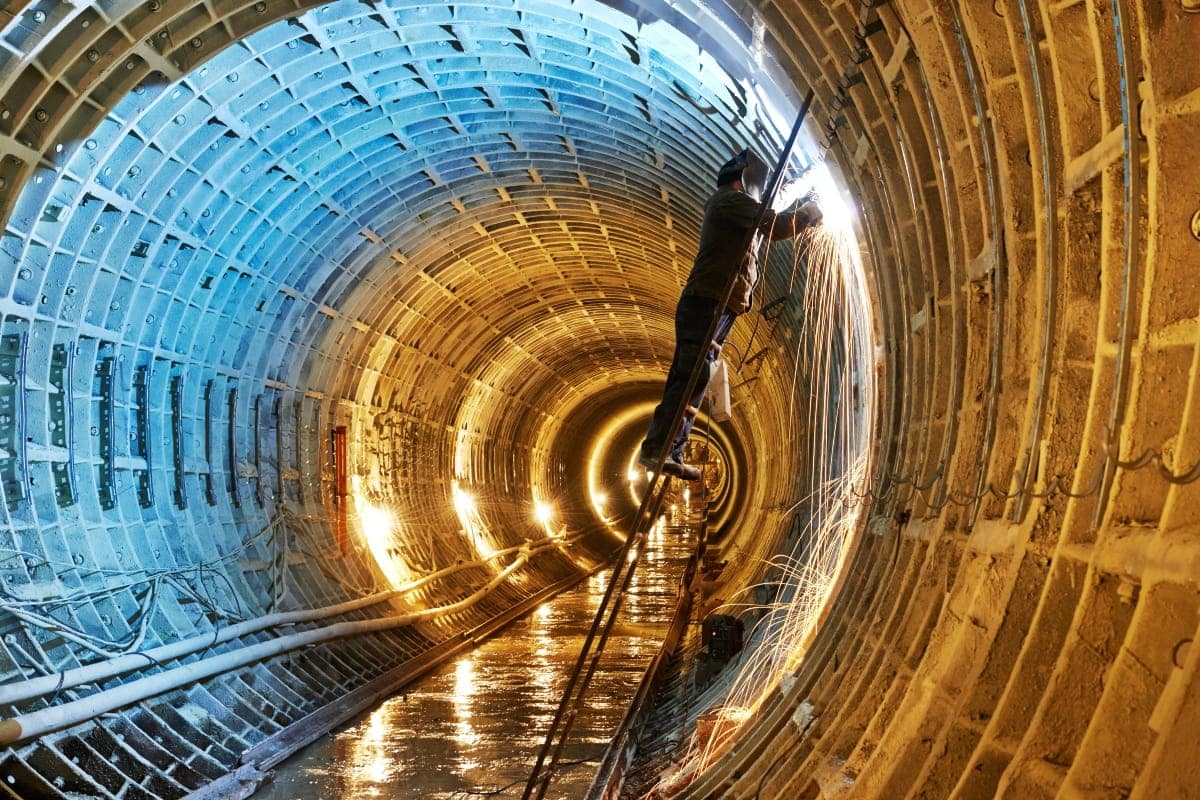
- Hot work, including welding, cutting and grinding
- Poor ventilation
- Flammable materials stored incorrectly
Controls for reducing fire risk
Modern tunnel construction uses a range of controls to reduce fire risk and improve emergency response. This may include fire-resistant materials to help slow fire spread and protect workers during an emergency.
Other controls include:
- Intrinsically safe equipment
- Hot-work permits
- Foam deluge systems
- Fire-rated cabling
- Self-rescuers
- Regular equipment inspections
- Safe storage of fuels and chemicals
- Clear evacuation procedures
Emergency response and evacuation drills should be conducted regularly so workers know what to do in the event of a fire or explosion.
6. Fixed and mobile plant hazards
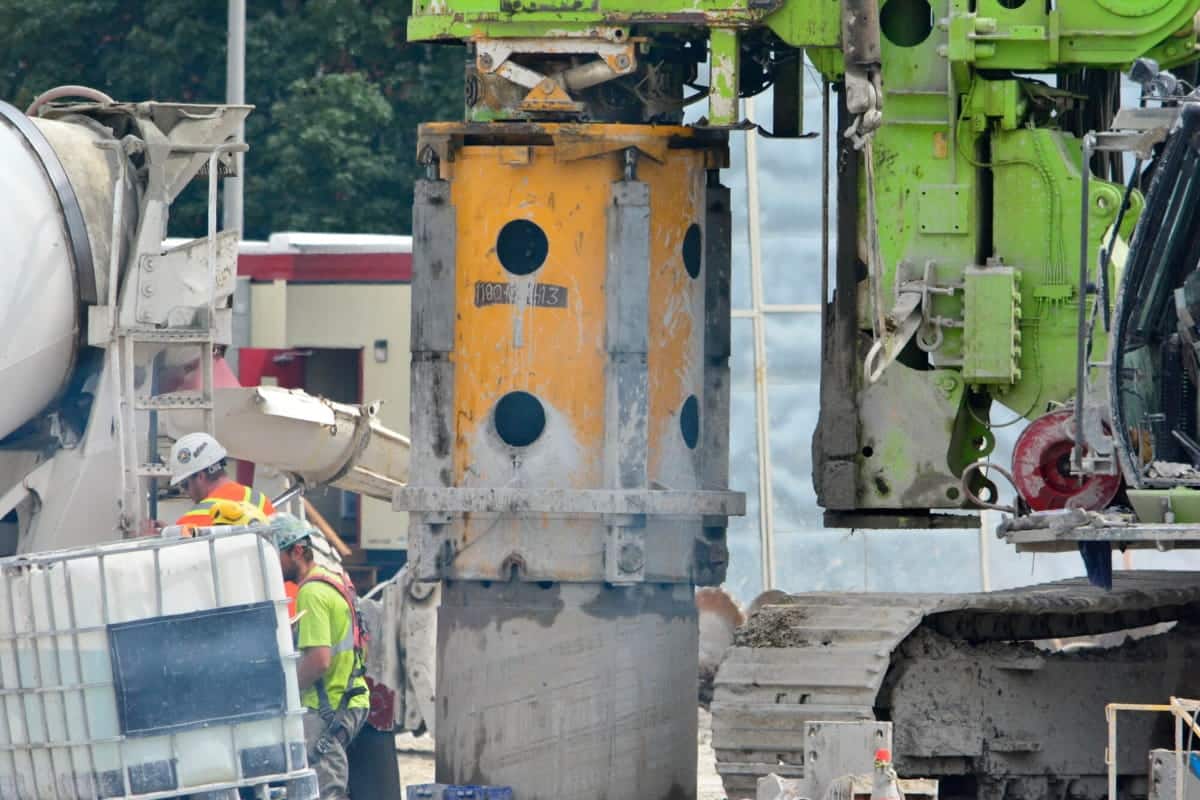
Fixed and mobile plant create serious risks during tunnel construction. Tunnel boring machines, roadheaders and light vehicles often operate in confined spaces where visibility is limited, and movement is restricted.
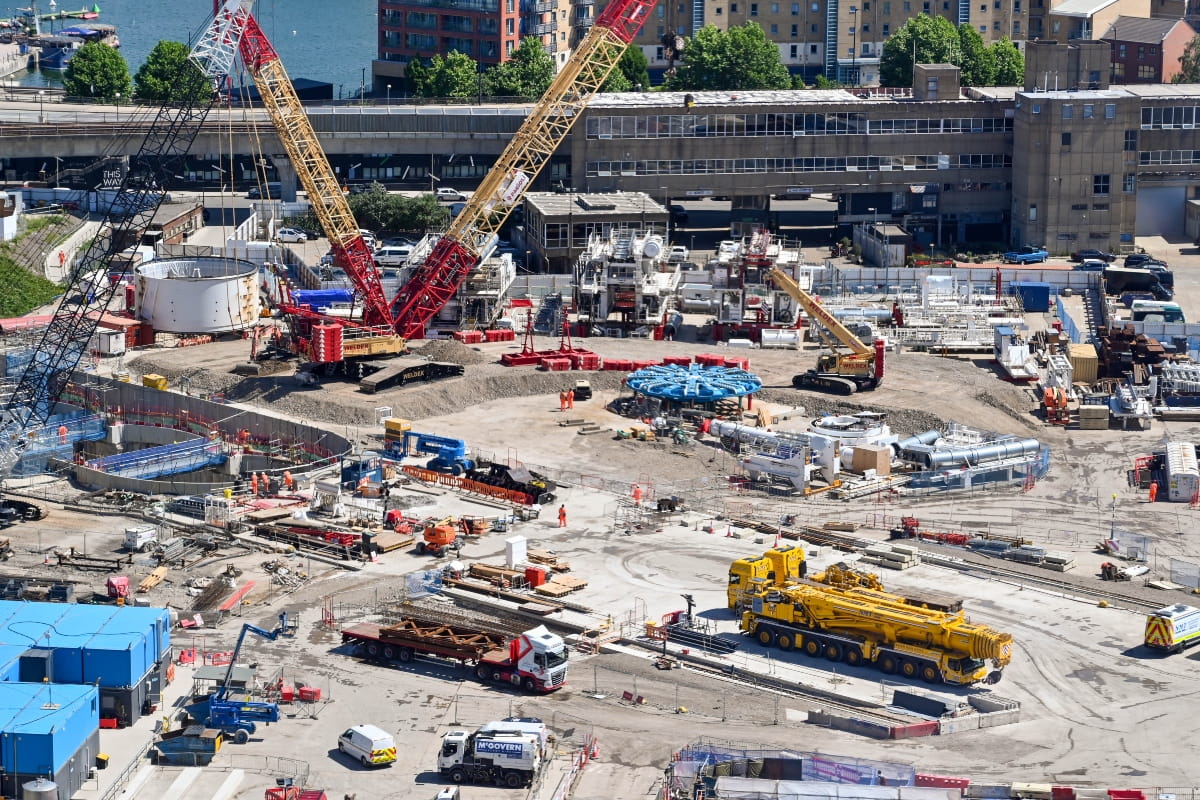
This increases the risk of:
- Crushing
- Collision
- Entanglement
- Struck-by incidents
- Workers entering exclusion zones
- Vehicles interacting with pedestrians at ground level
Why tunnel boring equipment needs strict controls
Tunnel boring machines are powerful pieces of equipment. Many modern tunnel boring machines include advanced safety features such as sensors, monitoring systems and remote management technology.
These systems help operators track machine performance, make real-time adjustments and reduce the chance of accidents during tunnel construction.
However, maintenance work can still be high-risk. TBM cutterhead maintenance is especially dangerous if exclusion zones are not clearly marked, controlled and enforced.
Key controls for plant safety
Clear systems are needed to separate people from moving machinery and high-risk maintenance areas.
Common controls include:
- Proximity detection systems using RFID technology
- Lock-out/tag-out procedures during maintenance
- Operator visibility aids
- High-lux LED lighting in low-light areas
- Clear pedestrian routes at ground level
- Exclusion zones around plant and machinery
- Spotters or traffic controllers
Managing exclusion zones
Exclusion zones are an important control during tunnel boring and other high-risk plant operations.
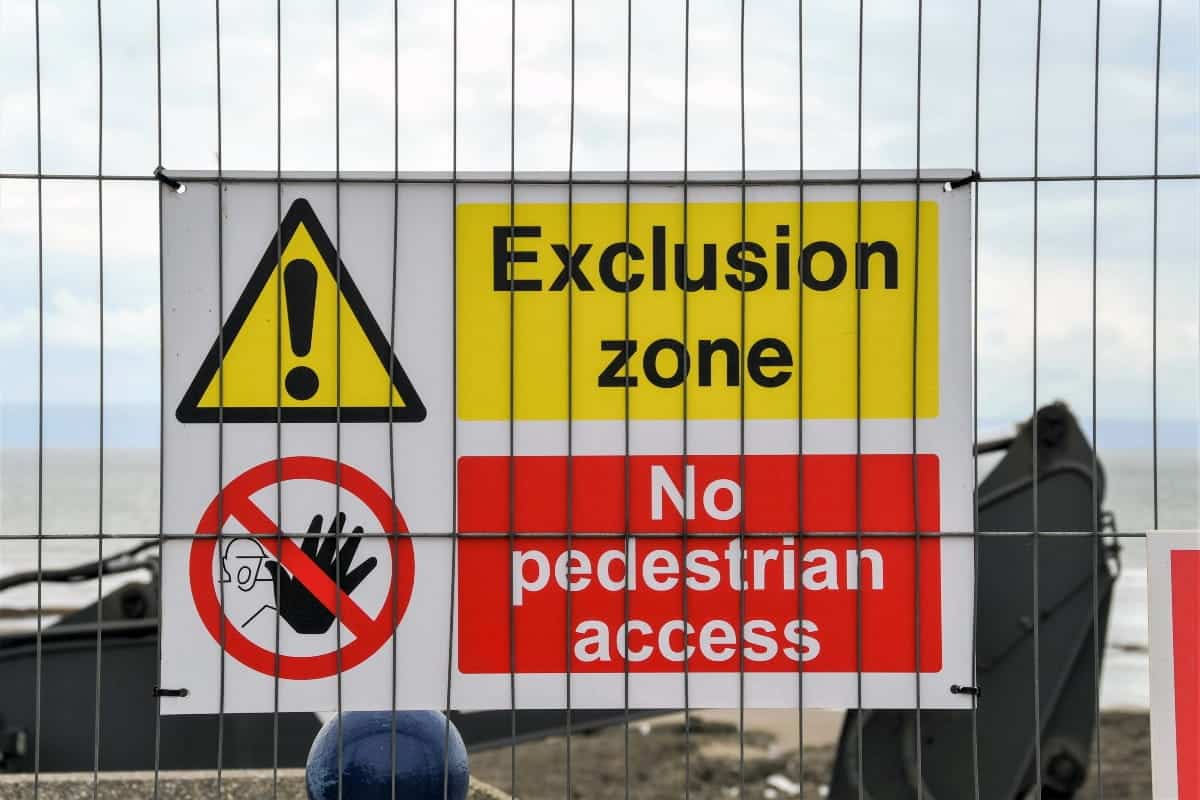
Simple controls, such as exclusion fencing around cutterheads during maintenance, can help prevent workers from entering dangerous areas. When used alongside safety signage, lighting and clear access procedures, exclusion fencing helps improve site safety and reduce the risk of plant-related incidents.
7. Hazardous substances
Tunnelling work can involve a range of hazardous substances. These materials need to be handled, stored and controlled carefully to protect workers from chemical exposure, burns, fire and toxic gases.
Common hazardous substances used in tunnelling may include:
- Shotcrete accelerators, preferably alkali-free
- Two-pack epoxy grouts
- Diesel
- Explosives
- Other hazardous chemicals used for ground support, plant and construction work
Key risks to manage
Each substance comes with its own hazards. Some can cause skin burns or eye damage. Others may release toxic fumes, increase fire risk or create serious exposure risks in confined underground spaces.
Workers need to understand:
- What substances are being used
- How each substance can affect health and safety
- How to store, handle and dispose of materials correctly
- What to do during a spill, leak or exposure incident
Handling explosives safely
If tunnelling work involves explosives, they must be handled only by a competent, licensed person with experience in the work being carried out.
Training, licensing and blasting notification requirements can vary by jurisdiction. Contact your WHS regulator before blasting work begins to confirm the rules that apply to your site.
Staying ahead of the risks
Tunnelling hazards are complex, especially given the technical demands of underground construction, but they’re manageable if you follow a systematic approach. Identify construction site hazards, assess risks, implement controls, and regularly review them. Modern infrastructure projects rely on advanced safety standards and construction methods to address these challenges.
Establishing exclusion zones with compliant temporary fencing, maintaining ventilation and gas monitoring systems, and keeping workers trained and informed will deliver safer outcomes. Australian mega-projects like Sydney Metro West, Cross River Rail, and Snowy 2.0 are already using real-time geotechnical monitoring, dust-suppression technology, battery-electric plant, and digital evacuation modelling to cut incidents and reduce occupational disease.
You can do the same on your project. It’s about careful planning, tunnel engineering controls, and a commitment to worker health that doesn’t waver.
How TTFS can help
When you’re managing a tunnel project, controlling access and marking hazard zones is critical. TTFS supplies Australian-compliant temporary fencing, crowd-control barriers, and custom safety signage that create clearly marked safe-work zones around shaft portals, adits, and surface compounds. Our products are designed for harsh Australian conditions and tested to meet relevant Australian Standards.
With depots in Melbourne, Sydney, Brisbane, Perth, and Adelaide, and dispatch within 48 hours, you’ll get the safety equipment you need when you need it.