
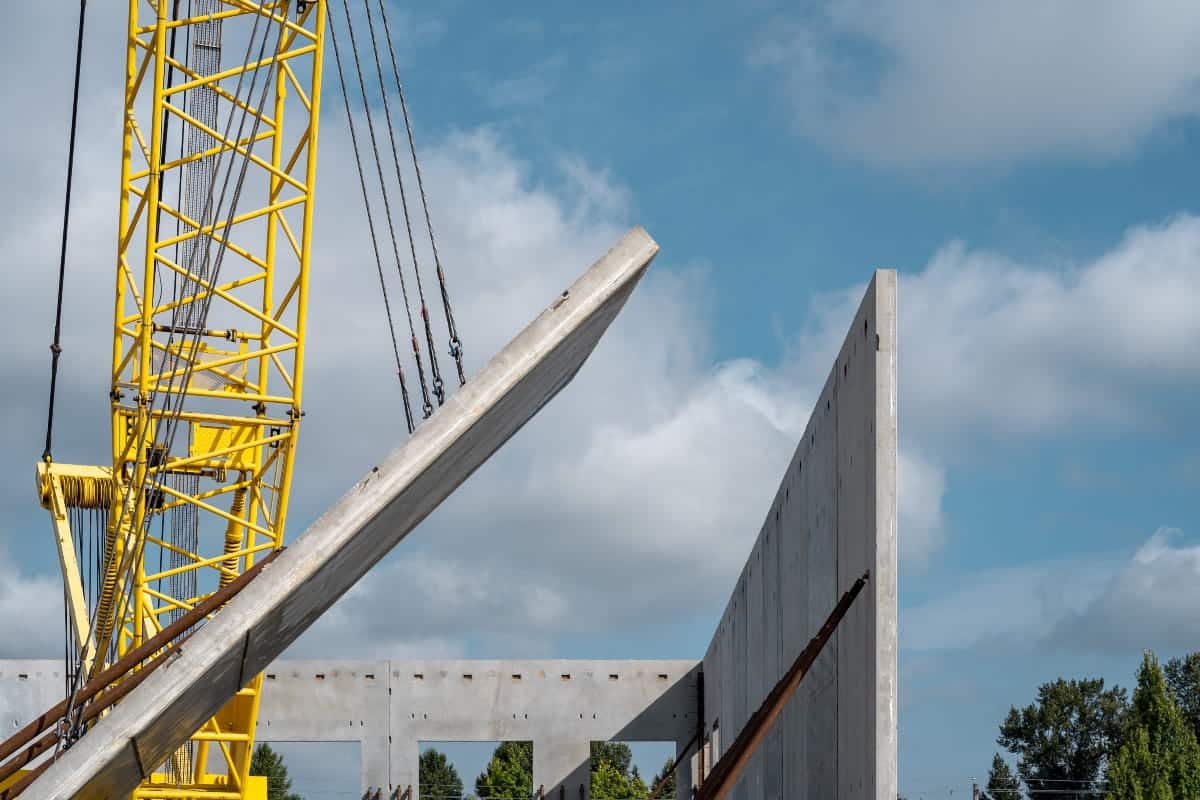

Lifting tilt-up construction panels is a risky stage at any construction site that requires extra attention to safety. This is due to heavy loads, crane operations, and multiple work crews operating simultaneously, creating conditions where risks can escalate quickly if not properly managed.
Safety measures, such as temporary fencing, are essential for protecting everyone on and around the site. This article explains what tilt-up construction is, the key risks associated with it, the use of exclusion zones for safety, and other preventive measures.
What is tilt-up construction?
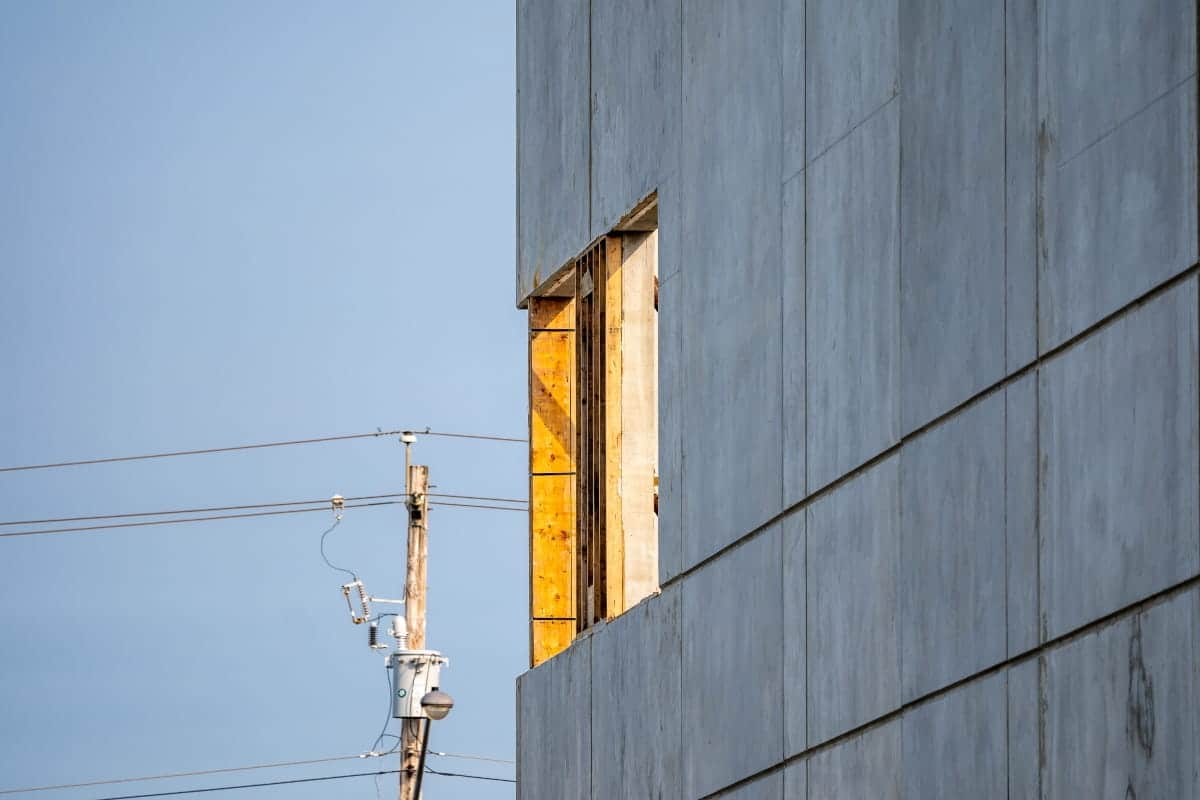
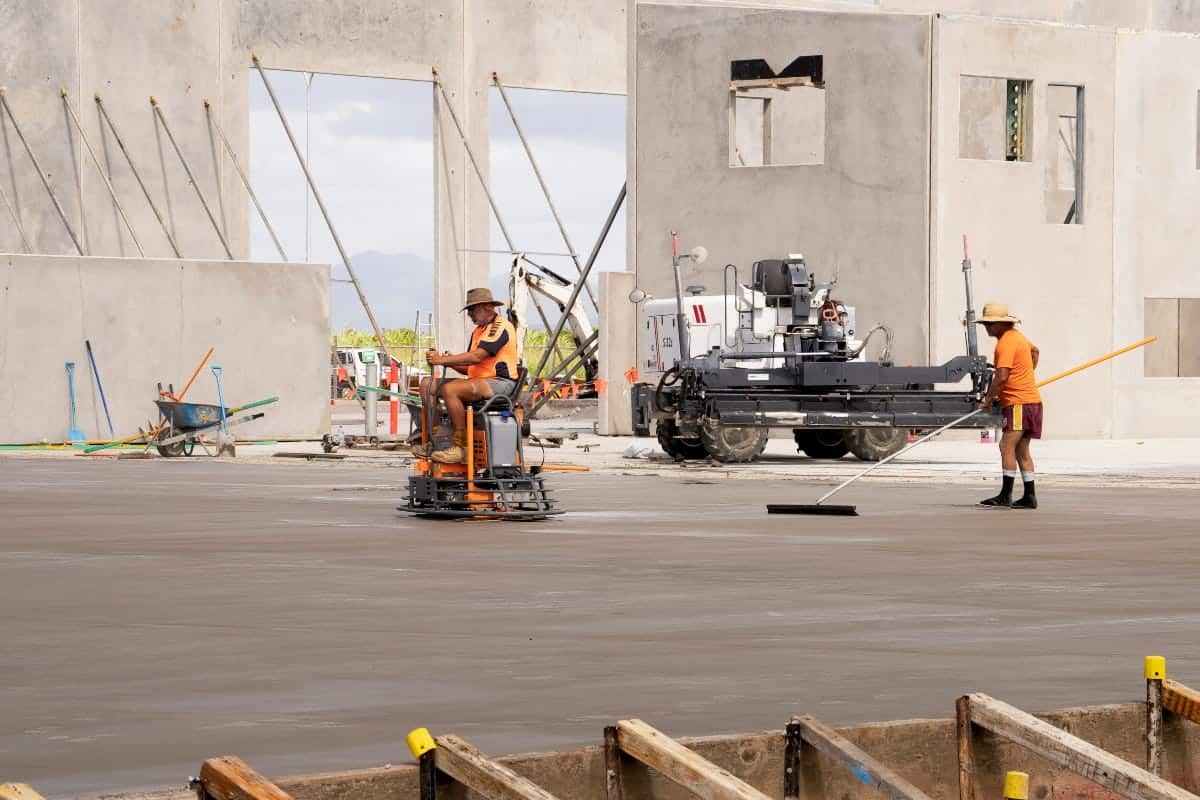
Tilt-up construction is a technique used to build walls and other concrete elements on-site. Workers will cast concrete tilt panels on large floor slabs and lift them vertically with cranes to their final position, hence the name. Many prefer this method because it reduces the need for scaffolds or working at heights.
Besides safety considerations, tilt-up concrete panels are preferred over other materials, such as brick, because they are cost-effective and can cover large square metres quickly; however, like any other process on a job site, they come with their own set of challenges.
Key risks on tilt-up construction sites
Though it has its own advantages and is generally more cost-effective, the tilt-up construction process still exposes workers to several risks. Some of these include:
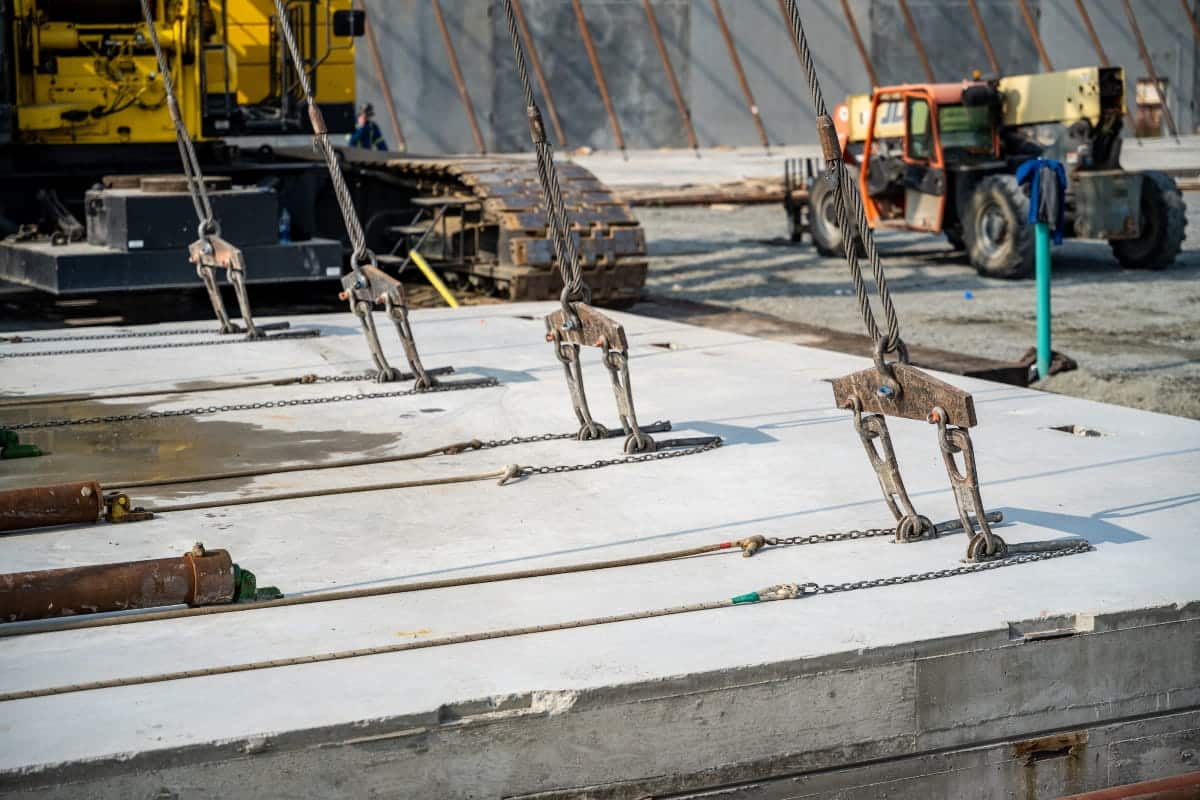
- Tilt-up wall panels may fail during lifting due to incorrect reinforcement, insert placement, or curing time.
- Crane overload or instability due to poor ground conditions
- Swinging tilt-up wall panels hitting workers, equipment, or nearby structures
- Workers entering the lift zones without being warned of or understanding the danger
Many incidents happen because safety measures are not properly enforced. This is why providing workers with proper Workplace Health and Safety training, clear responsibilities, and constant supervision plays an integral part in preventing unexpected circumstances.

Effective exclusion zones for panel lifts with TTFS
Tilt-up concrete construction is one of the highest-risk practices on a construction site. Large tilt concrete elements can sometimes weigh several tons and cause serious injury or damage. One of the most effective ways to manage this risk is by establishing well-defined exclusion zones. These create a barrier around the lifting area and prevent unnecessary worker entry.
Safety measures that reduce risk in tilt-up construction
To reduce risk in tilt-up construction sites, it’s important to have concrete safety measures in place. Some key ones to keep in mind are:
1. Careful planning
Before tilt-up panel construction begins, it’s important to plan the entire process carefully. The position of the lifting crane, the weather and ground conditions, and the access routes should all be assessed in advance to reduce the risk of unexpected issues. Planning should also include the positioning of precast concrete panels, strip footings, roof, and insulation to optimise the building’s energy performance.
2. Skilled and trained teams
Everyone on site, from crane operators to ground crew, should be thoroughly trained in the necessary procedures, potential hazards, and safety measures. This ensures that each team member knows their role and what to do in unexpected situations.

3. Reliable equipment through constant maintenance
Properly maintained cranes and lifting equipment are important for the success of the tilt-up construction process. Through regular maintenance and inspections, the risk of mechanical failures that could cause injuries or delays is reduced.
4. On-site controls and barriers
Establishing exclusion zones, such as temporary fencing, barriers, and signage, in high-risk construction areas prevents unauthorised employees from entering dangerous spaces.
It also helps workers identify exactly where the tilt-up process is occurring, reducing confusion and the risk of people moving through these zones.
Why are proper fencing and barriers essential in tilt-up construction sites?
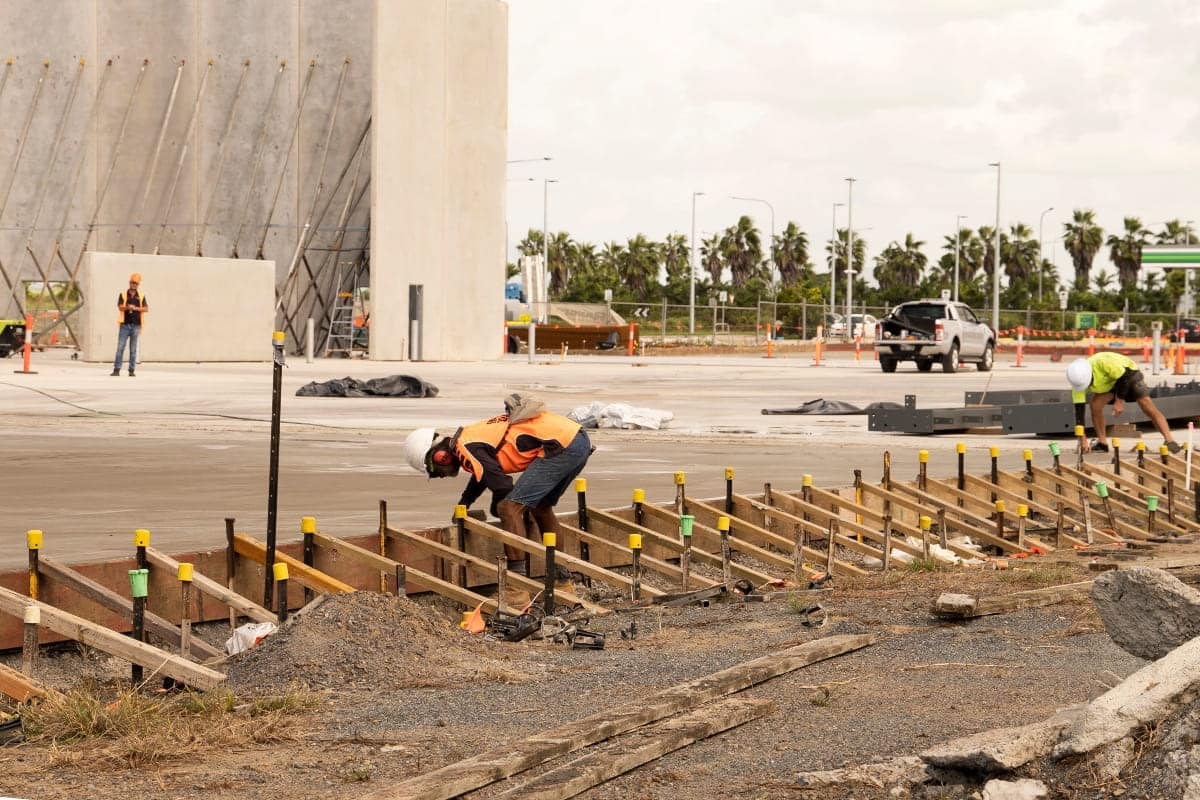
Proper temporary fencing and crowd control barriers play a practical and important role at tilt-up construction sites. They prevent unauthorised access, protect both employees and the general public, and prevent confusion by creating clear boundaries.
For instance, carefully positioned fencing improves safety measures and helps stop workers from unintentionally entering exclusion zones. Because of the clear safety signage and barriers, supervisors can control movement around tilt-up panel lifts, helping minimise the risk of accidents and ensuring work proceeds smoothly and safely.
TTFS can help you maintain safety in tilt-up construction sites
At TTFS, our experienced team specialises in supplying and installing temporary fencing, barriers, and safety signage for all construction sites.
For tilt-up construction sites, we can help you create effective exclusion zones and make sure that both workers and the public remain protected during tilt-up panel construction.
Contact our friendly team today to discuss fencing options tailored to your needs!
FAQs
How much does tilt-up construction cost?
The costs of tilt-up construction can vary depending on factors such as building size, panel thickness, site conditions, and complexity. Site-specific safety requirements, such as crane access or the need for exclusion zones via fencing, can also affect the final cost. Cost-effective materials like concrete tilt panels can also reduce transport costs and speed up construction compared to other methods.
What is the difference between tilt-up panels and masonry?
Tilt-up construction is the process of casting concrete panels on-site, then lifting them into place. On the other hand, masonry is built by stacking bricks or blocks to form walls. Masonry is better suited for smaller structures or projects, whereas tilt-up panels are faster to install and can reduce labour costs for large office buildings or multi-storey buildings. They also provide better insulation, reducing energy costs in the completed building.
What are the disadvantages of tilt-up construction?
Although tilt-up construction is efficient for larger buildings, it has limitations.
* Stronger cranes and highly trained operators are needed
* More space on-site is required
* Weather conditions can affect safety
Because of these risks, proper fencing and clearly marked exclusion zones are important to keep workers and the public safe during the tilt-up process.
What are the advantages of tilt-up construction?
Even though tilt-up construction has some challenges, it also offers several advantages.
* Construction can be faster than traditional methods
* More cost-effective for larger buildings
* Offers durability, long-term strength, and flexible design options
These benefits make tilt-up construction a popular choice for both commercial and industrial buildings.